

Access to appropriate medical assistance is essential for ensuring that persons with disabilities can live healthy, independent, and dignified lives.
While healthcare systems often provide general services, targeted projects focused on disability-specific medical support can significantly improve accessibility, quality of care, and long-term wellbeing. This article presents an overview of one dedicated project designed to strengthen med ical assistance for persons with disabilities.
Project Overview
The Medical Assistance for Persons with Disabilities Project was developed to address gaps in healthcare access faced by individuals with physical, sensory, intellectual, or multiple disabilities. Many people with disabilities encounter barriers such as limited mobility, lack of specialized medical knowledge among providers, inaccessible facilities, and financial constraints.
This project focuses on delivering tailored medical support services that ensure individuals receive timely diagnosis, treatment, rehabilitation, and follow-up care adapted to their specific needs.
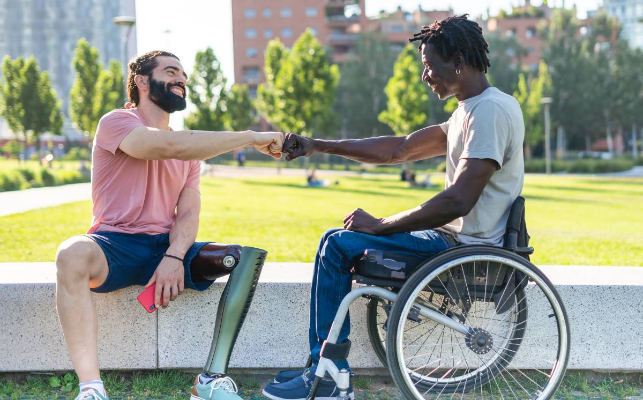

Objectives of the Project
The project is built around several key objectives:
-
Improve Access to Healthcare
Ensure that persons with disabilities can easily access essential medical services, including consultations, diagnostics, rehabilitation, and preventive care. -
Provide Specialized Medical Support
Offer medical expertise tailored to disability-related conditions such as mobility impairments, neurological disorders, sensory disabilities, and chronic health complications. -
Promote Preventive Healthcare
Encourage regular health screenings and early detection of conditions that may disproportionately affect persons with disabilities. -
Support Independent Living
Provide medical guidance and therapeutic services that help individuals maintain independence and improve their quality of life.

Key Activities
The project implements a range of coordinated activities to achieve its goals.
1. Mobile Medical Services
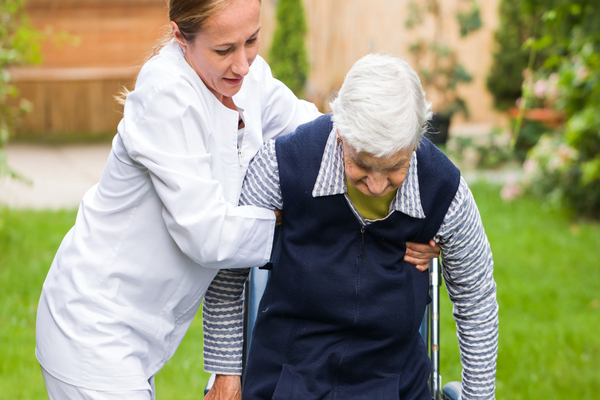
Healthcare professionals conduct regular visits to community centers and homes of persons with limited mobility. These visits include health assessments, basic treatments, and medical consultations.
2. Specialized Rehabilitation Programs
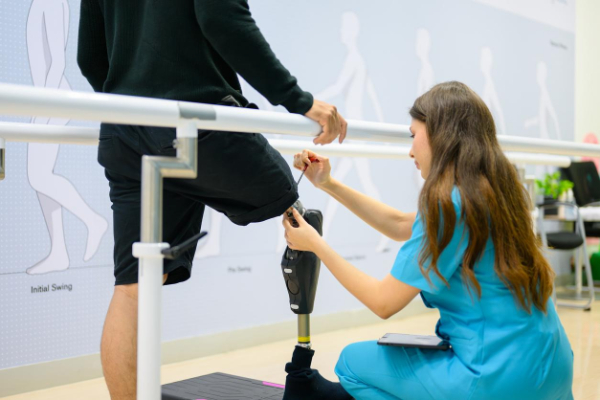
Participants can access physiotherapy, occupational therapy, and other rehabilitation services designed to enhance mobility, strength, and daily functioning.
3. Medical Equipment Support
The project provides access to assistive devices such as wheelchairs, mobility aids, orthotic supports, and adaptive medical equipment.
4. Training for Healthcare Professionals
Workshops and training sessions help doctors, nurses, and caregivers better understand disability-related medical needs and improve communication with patients.
5. Health Education and Counseling
Participants and their families receive guidance on managing health conditions, medication adherence, nutrition, and preventive care strategies.
Beneficiaries
The project primarily supports:
-
Persons with physical disabilities
-
Individuals with sensory impairments
-
People with chronic health conditions related to disability
-
Families and caregivers who assist persons with disabilities
By addressing both medical and supportive care needs, the project ensures a holistic approach to health management.
Expected Impact
Through targeted medical assistance, the project aims to achieve several positive outcomes:
-
Improved health monitoring and early intervention
-
Reduced hospitalizations due to preventable complications
-
Increased independence and mobility for participants
-
Better informed caregivers and healthcare providers
-
Greater inclusion of persons with disabilities in community life
Conclusion
Medical assistance programs dedicated to persons with disabilities play a crucial role in bridging healthcare gaps and ensuring equitable access to medical services. By combining specialized care, rehabilitation support, and community outreach, this project demonstrates how focused initiatives can significantly enhance the health and wellbeing of individuals living with disabilities.
Sustained investment in such targeted projects not only improves individual outcomes but also contributes to a more inclusive and responsive healthcare system for all.


