

In recent years, the global conversation around disability has shifted from a focus on limitations to a focus on abilities, opportunities, and inclusion.
One of the most powerful ways to support this shift is through skill development and accessible education for persons with disabilities. When individuals are given the right tools, training, and support, they can participate fully in society, contribute to the workforce, and achieve greater independence.
Why Skill Development Matters
For many persons with disabilities, barriers to education and employment still exist. These barriers may include inaccessible learning environments, lack of assistive technology, social stigma, or limited training opportunities. Skill development programs play a critical role in addressing these challenges.
By focusing on practical, market-relevant skills, such initiatives help individuals:
-
Gain confidence and self-reliance
-
Access meaningful employment opportunities
-
Participate more actively in their communities
-
Reduce social and economic exclusion
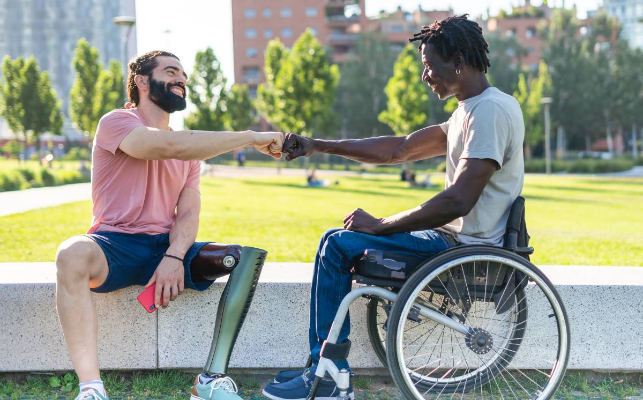
When education systems and training programs are inclusive, they empower individuals to move from dependence toward economic and social participation.
Inclusive Education as the Foundation
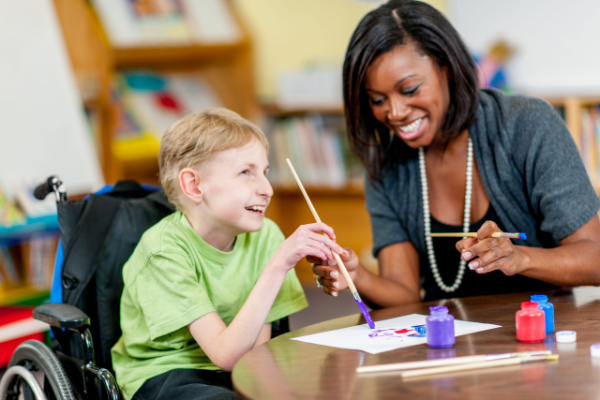
Skill development begins with inclusive education, where learners with disabilities can access quality learning alongside their peers. Inclusive education promotes equal participation by adapting teaching methods, infrastructure, and materials to meet diverse needs.
Key elements of inclusive education include:
-
Accessible classrooms and digital learning platforms
-
Use of assistive technologies such as screen readers and speech-to-text tools
-
Trained educators who understand inclusive teaching strategies
-
Individualized learning approaches that respect different learning styles
When education systems adopt these principles, students with disabilities are more likely to complete their studies and pursue further training or employment.
The Role of Targeted Training Programs
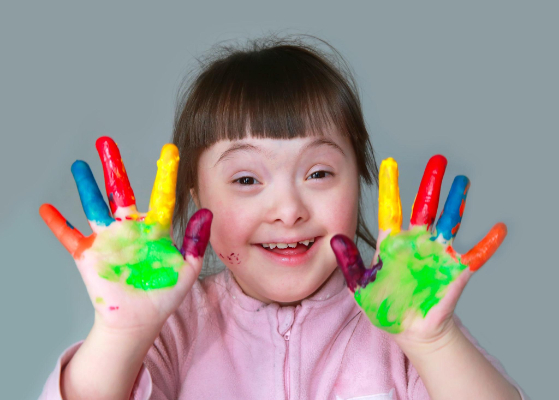
While inclusive education provides the foundation, specialized skill development programs can further support persons with disabilities in building career-ready competencies. These programs often focus on areas such as:
-
Digital literacy and information technology
-
Entrepreneurship and small business development
-
Vocational training in fields like crafts, design, hospitality, or technical services
-
Communication and workplace readiness skills
Training programs that combine technical skills with personal development, mentoring, and career guidance tend to have the greatest impact.
Technology as an Enabler
Advances in technology have significantly expanded opportunities for persons with disabilities. Online learning platforms, adaptive software, and remote work opportunities have made education and employment more accessible than ever before.
Assistive technologies can help individuals with visual, hearing, mobility, or cognitive disabilities participate fully in training and work environments. For example:
-
Screen readers and magnification software support learners with visual impairments
-
Captioning and sign-language tools support those with hearing impairments
-
Adaptive keyboards and voice-controlled software assist individuals with mobility challenges
When integrated into training programs, these tools remove barriers and allow learners to focus on building their skills.

Building a More Inclusive Future
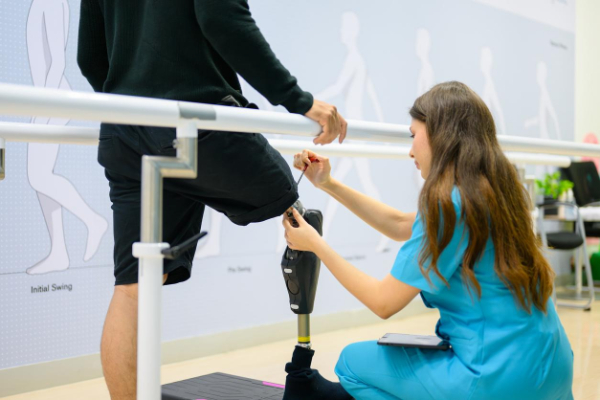
Promoting skill development and education for persons with disabilities is not only a matter of social justice—it is also an investment in human potential. Inclusive programs help communities recognize the talents and contributions of individuals who have historically been excluded from education and employment.
Governments, educational institutions, businesses, and community organizations all play a role in creating inclusive pathways. By working together to expand accessible training opportunities, societies can build a future where everyone has the chance to learn, grow, and succeed.
Conclusion
Skill development and education are powerful drivers of empowerment for persons with disabilities. By ensuring access to inclusive learning environments, practical training programs, and supportive technologies, communities can unlock opportunities that lead to independence, employment, and dignity.
An inclusive approach to education and skills training does more than change individual lives—it strengthens societies by ensuring that no talent is left behind.


